

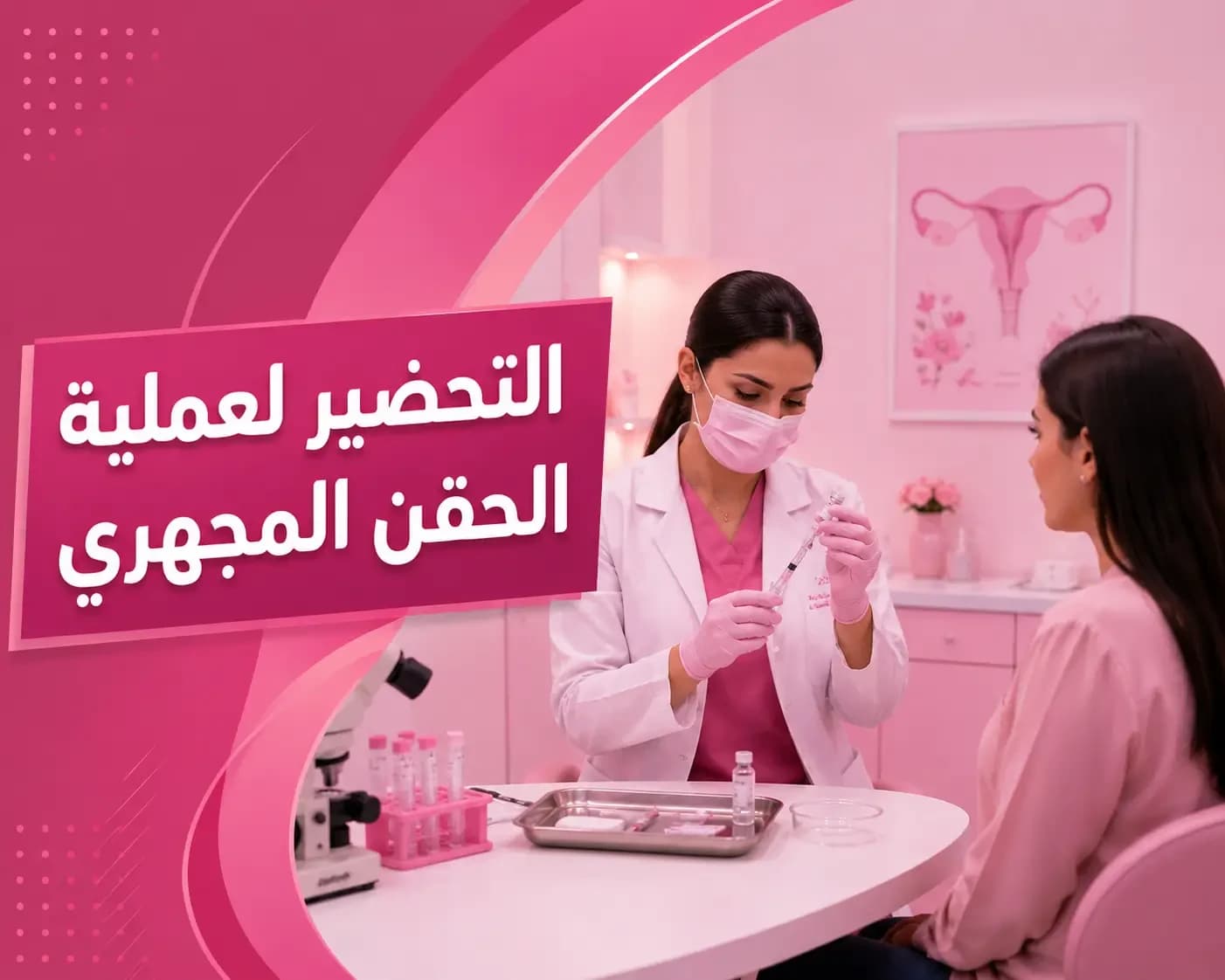
Preparing for Intracytoplasmic Sperm Injection (ICSI) is one of the most important stages before treatment begins. The success of the procedure does not depend solely on the ICSI process itself, but also on how well the body is prepared and the overall health of both partners before treatment starts. For this reason, fertility specialists create a comprehensive preparation plan that begins with the first consultation and includes medical evaluations, diagnostic tests, and personalized treatment recommendations.
Many women search for the best ways to prepare for ICSI and the steps they can take to get their bodies ready before egg retrieval and embryo transfer, especially when undergoing the treatment for the first time. Following the prescribed treatment plan and medical instructions can improve the body's response to medication and increase the chances of a successful pregnancy.
Read More Related Articles
When Should You Start Preparing for ICSI?
Preparation for ICSI usually begins several weeks or even months before treatment, depending on the underlying cause of infertility and the patient’s overall health. During this period, the fertility specialist evaluates the reproductive system to ensure that the uterus and ovaries are ready for treatment and identifies any issues that may affect success rates.
In some cases, conditions such as hormonal imbalances, polycystic ovary syndrome (PCOS), or reproductive tract infections must be treated before beginning the ICSI cycle.
This stage also includes reviewing the couple’s medical history, previous fertility treatments, and any past pregnancy attempts to develop the most suitable treatment strategy.
Preparing for ICSI from the First Doctor’s Visit
The first consultation serves as the starting point of the fertility journey. During this visit, the doctor conducts a thorough assessment and outlines the next steps.
This appointment typically includes:
Reviewing medical and reproductive history.
Discussing the duration of infertility.
Evaluating previous treatments or surgeries.
Performing an ultrasound examination.
Ordering hormone tests.
Recommending fertility evaluations for the male partner.
The information gathered helps determine the most appropriate treatment protocol and the ideal timing for ovarian stimulation.
Medical Tests Required Before ICSI
Medical testing is an essential part of preparing for ICSI because it helps assess fertility potential and identify any factors that may require treatment beforehand.
Common tests include:
Ovarian reserve testing.
Follicle-stimulating hormone (FSH) testing.
Anti-Müllerian hormone (AMH) testing.
Prolactin level testing.
Thyroid function tests.
Ultrasound examination of the uterus and ovaries.
Semen analysis for the male partner.
Additional screening tests for infectious diseases when necessary.
The exact tests required depend on the woman’s age and individual medical condition.
Preparing Your Body for ICSI Before Treatment
Preparing the body for ICSI is an important step in creating the best possible conditions for success. This involves improving overall health and addressing factors that may influence egg quality and ovarian response to fertility medications.
Doctors commonly recommend:
Maintaining a healthy body weight.
Following a balanced and nutritious diet.
Engaging in moderate physical activity.
Getting enough sleep each night.
Quitting smoking.
Limiting caffeine intake.
Taking prescribed medications and supplements as directed.
Reducing stress and maintaining emotional well-being are also encouraged during the preparation phase.
ICSI Preparation Timeline: Step by Step
Following a clear timeline can help patients stay organized and properly prepared for each stage of treatment.
Three Months Before Treatment
Improve dietary habits.
Manage chronic health conditions.
Exercise regularly.
Begin recommended supplements.
Complete initial fertility evaluations.
One Month Before Treatment
Review laboratory and test results.
Monitor ovulation if necessary.
Start any preparatory medications prescribed by the doctor.
Two Weeks Before Ovarian Stimulation
Prepare all required medications.
Attend follow-up appointments.
Complete final evaluations before treatment begins.
During Ovarian Stimulation
Follow injection schedules carefully.
Undergo regular ultrasound monitoring.
Track hormone levels as instructed.
Before Egg Retrieval
Follow fasting instructions if required.
Stop certain medications if advised by the doctor.
Prepare for the egg retrieval procedure on the scheduled date.
ICSI Process: From Start to Embryo Transfer
Once the preparation phase is complete, the ICSI procedure begins through a series of carefully planned stages.
Ovarian Stimulation
Hormonal medications are used to stimulate the ovaries and encourage the development of multiple mature eggs during one cycle.
Monitoring Follicle Development
Regular ultrasound scans are performed to monitor follicle growth and determine the best timing for egg retrieval.
Egg Retrieval
Mature eggs are collected from the ovaries using a fine needle guided by ultrasound technology.
Sperm Preparation
The healthiest and most viable sperm cells are selected for fertilization.
Intracytoplasmic Sperm Injection
A single sperm cell is injected directly into each mature egg under laboratory conditions.
Embryo Development Monitoring
The resulting embryos are carefully observed for several days to assess their growth and quality.
Embryo Transfer
The most suitable embryo or embryos are transferred into the uterus at the appropriate time.
Nutrition During the ICSI Preparation Period
Good nutrition plays a valuable role in supporting reproductive health and overall wellness throughout treatment.
Women preparing for ICSI are often encouraged to focus on:
Fresh vegetables.
Antioxidant-rich fruits.
Healthy protein sources.
Whole grains.
Healthy fats such as olive oil and nuts.
Adequate hydration.
It is also advisable to limit:
Processed foods.
Sugary beverages.
Excessive sugar intake.
Fast food.
Important Tips Before Egg Retrieval
Egg retrieval is one of the most important stages of the ICSI process, making it essential to follow all medical recommendations carefully.
Key tips include:
Taking medications exactly as prescribed.
Arriving on time for the procedure.
Following fasting instructions if required.
Avoiding strenuous physical activity beforehand.
Reporting any unusual symptoms to the doctor.
Mistakes to Avoid Before ICSI
Certain habits can negatively affect treatment outcomes and should be avoided during the preparation period.
Common mistakes include:
Missing medication doses.
Stopping treatment without medical advice.
Smoking.
Staying up late regularly.
Following extreme diets.
Taking herbal remedies or medications without consulting a doctor.
Signs That the Body Is Ready for ICSI
Doctors evaluate several indicators to determine whether a patient is ready to begin treatment.
These signs may include:
Stable hormone levels.
Healthy uterine lining.
Good ovarian response.
Absence of infections or untreated medical conditions.
Overall physical readiness for treatment.
in the end Preparing for ICSI is a crucial stage in the fertility treatment journey. Proper preparation helps create the best possible conditions for success and improves the likelihood of achieving pregnancy. This preparation includes completing necessary medical evaluations, following the treatment plan, maintaining a healthy lifestyle, and attending regular follow-up appointments. The more organized and thorough the preparation process, the greater the chances of a positive outcome.
Frequently Asked Questions About Preparing for ICSI
When should I start preparing for ICSI?
Preparation timelines vary from one patient to another, but many fertility specialists recommend beginning several weeks or months before treatment to complete evaluations and optimize overall health.
What are the most important steps in preparing the body for ICSI?
Key steps include maintaining a healthy weight, eating a balanced diet, getting enough sleep, exercising regularly, and following the doctor’s recommendations regarding medications and supplements.
Does body weight affect ICSI success rates?
Yes. Both excess weight and being significantly underweight can affect hormonal balance and ovarian response to fertility medications, which may influence treatment outcomes.
What tests are required before ICSI?
Common tests include ovarian reserve assessments, hormone testing, ultrasound examinations of the uterus and ovaries, semen analysis, and additional investigations depending on the patient’s medical history.
Does nutrition affect ICSI success?
A healthy, balanced diet supports overall wellness and may contribute to better preparation for fertility treatment.
How long does the preparation stage take?
The preparation phase may last anywhere from several weeks to several months, depending on the patient’s condition and treatment plan.
Can I exercise while preparing for ICSI?
Yes. Light to moderate exercise is generally encouraged, although intense workouts may need to be avoided during ovarian stimulation.
What foods are recommended before ICSI?
Fresh vegetables, fruits, whole grains, healthy proteins, and adequate water intake are commonly recommended to support overall health.
Does stress affect ICSI outcomes?
Managing stress is important during fertility treatment because emotional well-being contributes to a healthier treatment experience.
Is it important to follow medication schedules during ICSI preparation?
Absolutely. Taking medications exactly as prescribed is essential for achieving the best possible response to treatment and improving the chances of success.